
Adventures Details
Canada’s Most Immersive Adventure Experiences Beyond the Obvious
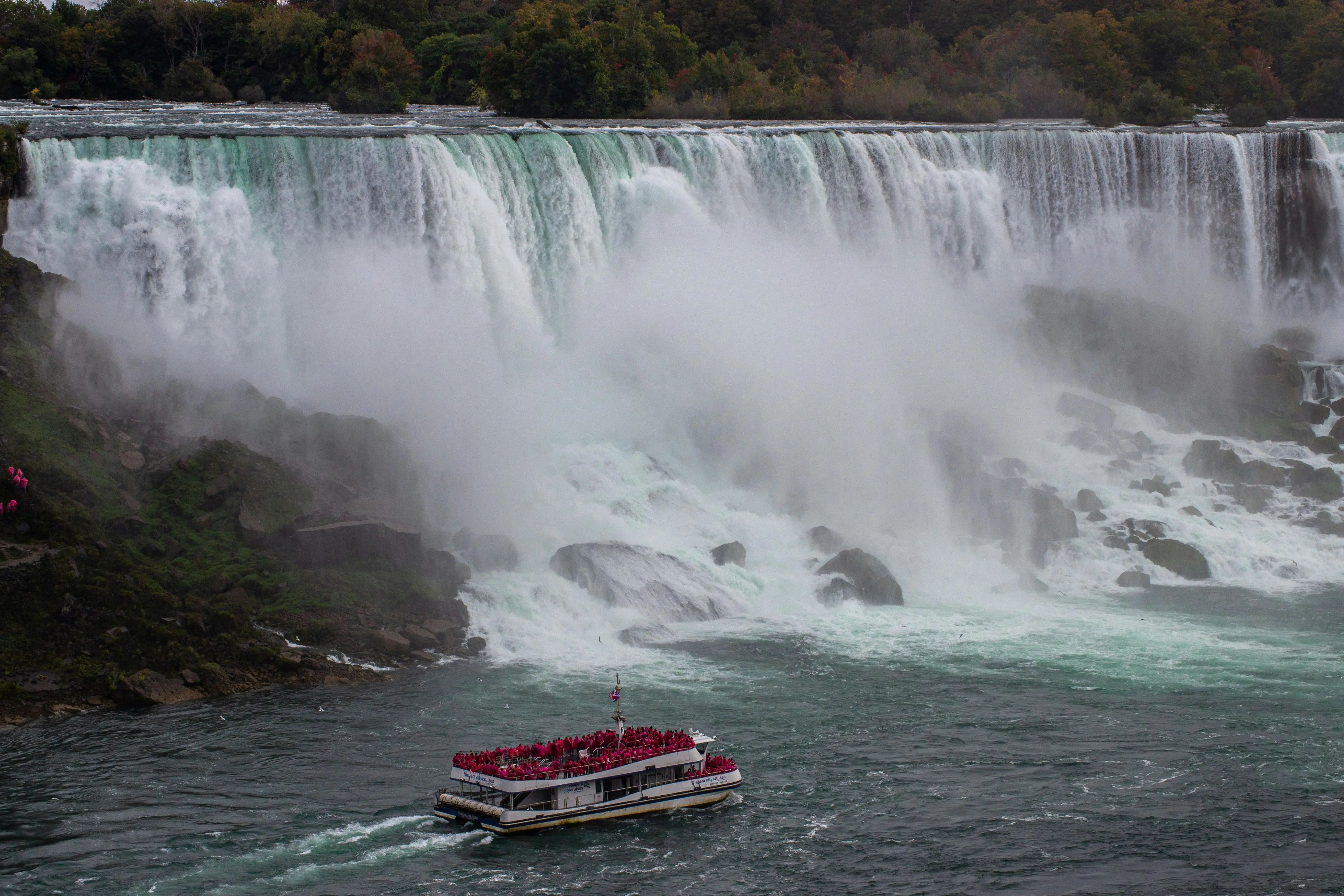
Adventure in Canada is shaped by scale, distance, and powerful natural systems. Vast coastlines, remote mountain ranges, and expansive wilderness create experiences that demand preparation, awareness, and physical involvement rather than casual exploration. Many of the most meaningful adventures are not defined by speed or spectacle, but by time spent moving through demanding environments. The experiences below place travellers directly within Canada’s landscapes. They involve navigating weather, terrain, and natural forces while relying on skill, endurance, and judgement. These are journeys that encourage presence and humility, turning travel into an active relationship with place rather than a passive encounter.
1. Backcountry Trekking in Tombstone Territorial Park
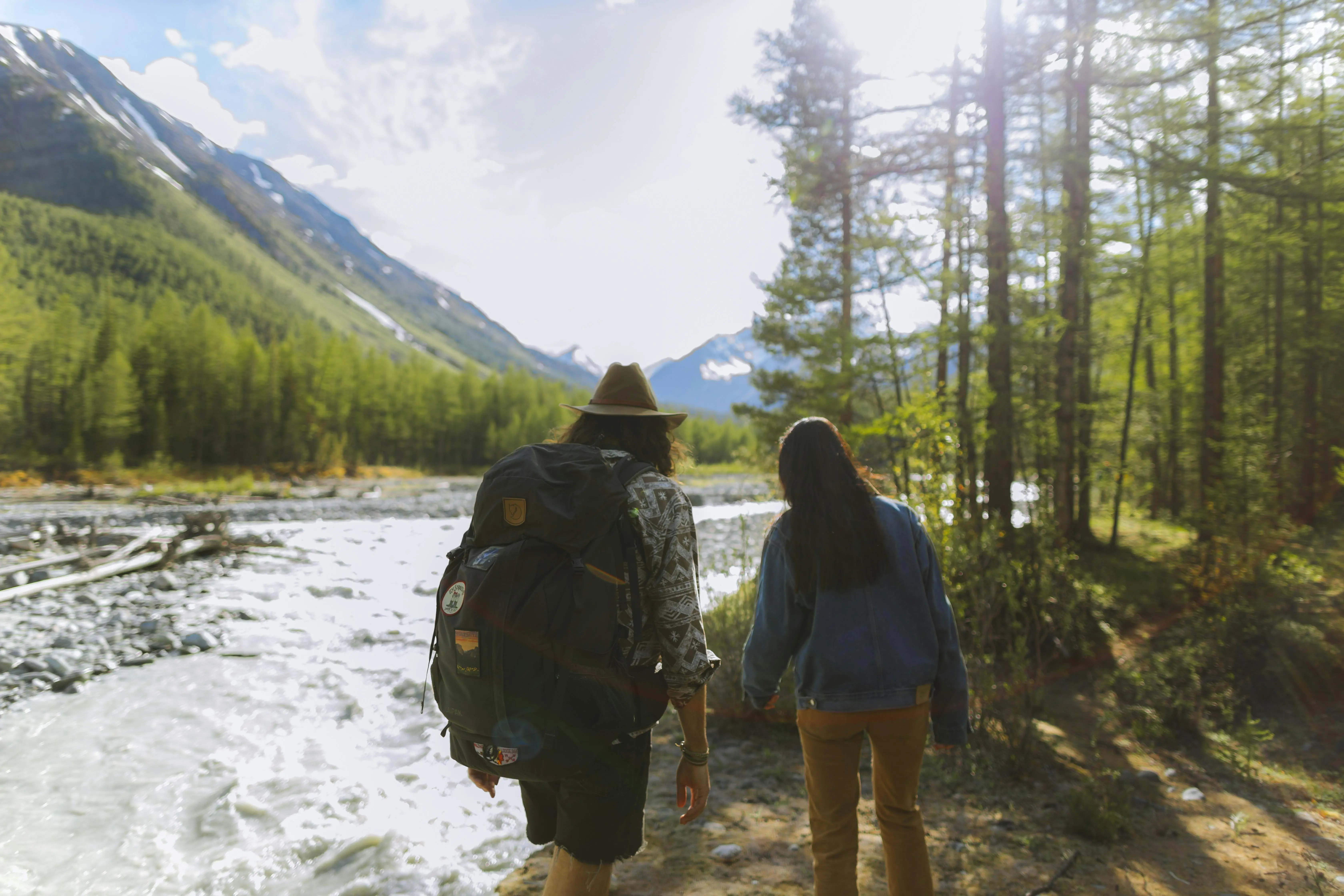
Located in the Yukon, Tombstone Territorial Park offers one of Canada’s most striking and remote mountain landscapes. Sharp peaks rise from wide tundra valleys, and the absence of established infrastructure reinforces the feeling of true wilderness.
Backcountry trekking relies on self-navigation across open terrain instead of established trails. Hikers navigate using maps, terrain reading, and experience, often travelling for days without encountering another group. River crossings, unstable ground, and rapidly changing weather conditions shape daily decisions.
The environment demands self-sufficiency. Food, shelter, and safety all depend on careful planning and realistic assessment of conditions. There is little margin for error, which encourages thoughtful pacing and constant situational awareness.
Despite its isolation, the landscape feels deeply alive. Seasonal colour changes, migrating wildlife, and shifting light create a strong sense of connection to the land. This is an adventure suited to experienced trekkers who value independence, raw landscapes, and journeys shaped entirely by natural systems.
2. Multi-Day Canoe Travel in Wabakimi Provincial Park
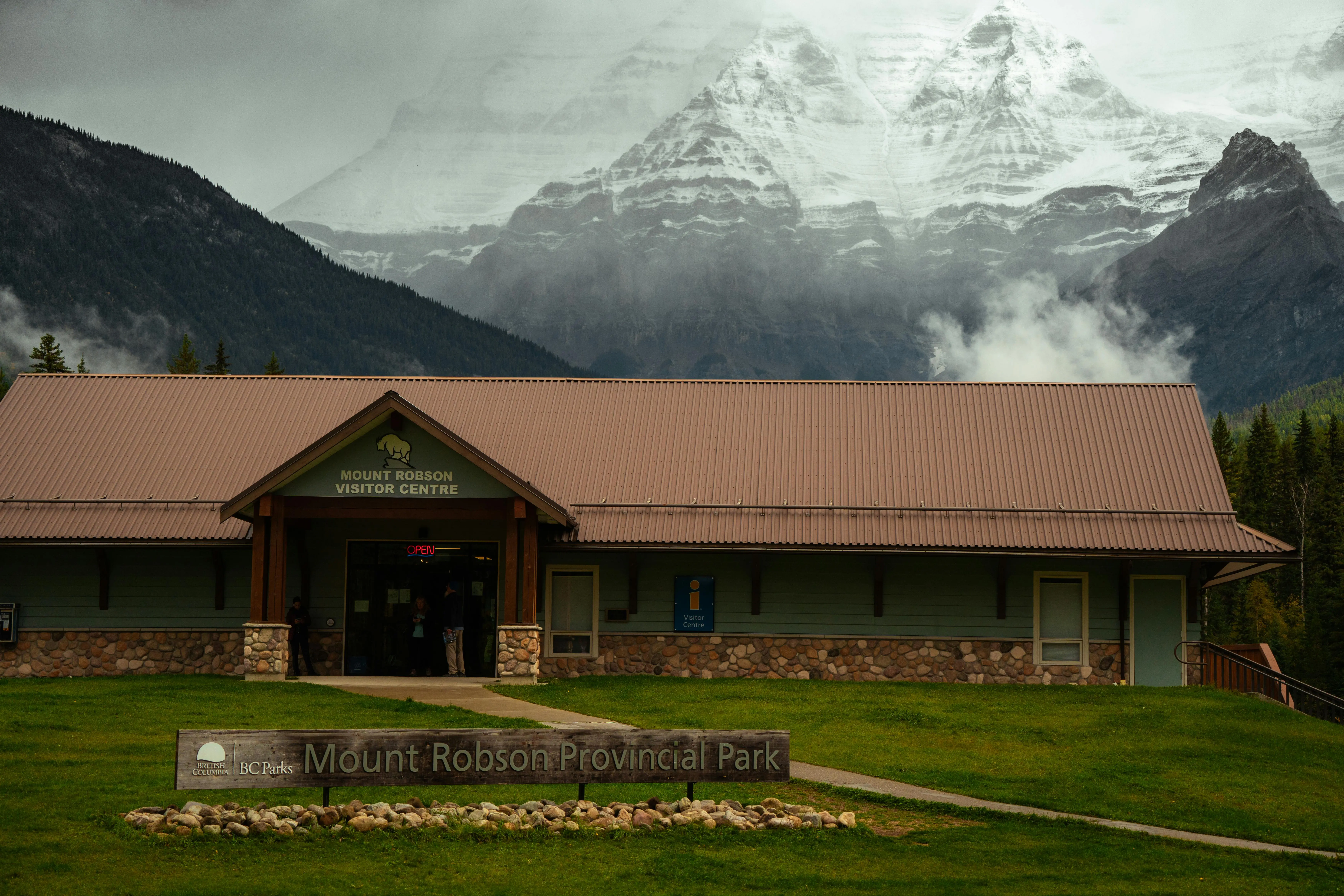
Wabakimi Provincial Park in northern Ontario is one of the largest wilderness areas in the province. Its vast network of lakes and rivers forms an ideal setting for extended canoe journeys.
Multi-day canoe travel here is defined by rhythm and continuity. Days are shaped by paddling, portaging, campsite selection, and weather observation. Portages vary in length and difficulty, requiring both physical strength and efficient packing.
Navigation plays a central role. Routes must be planned carefully, with attention to water levels, wind exposure, and access points. Campsites are informal and widely spaced, reinforcing a sense of remoteness.
This style of travel fosters teamwork and patience. Progress is steady rather than fast, and success depends on cooperation and shared responsibility. Wildlife sightings are common, and evenings are often spent in quiet reflection by the water.
This adventure suits travellers who value traditional wilderness skills, long-form journeys, and immersion in Canada’s boreal landscape.
3. Glacier Crossing on the Columbia Icefield
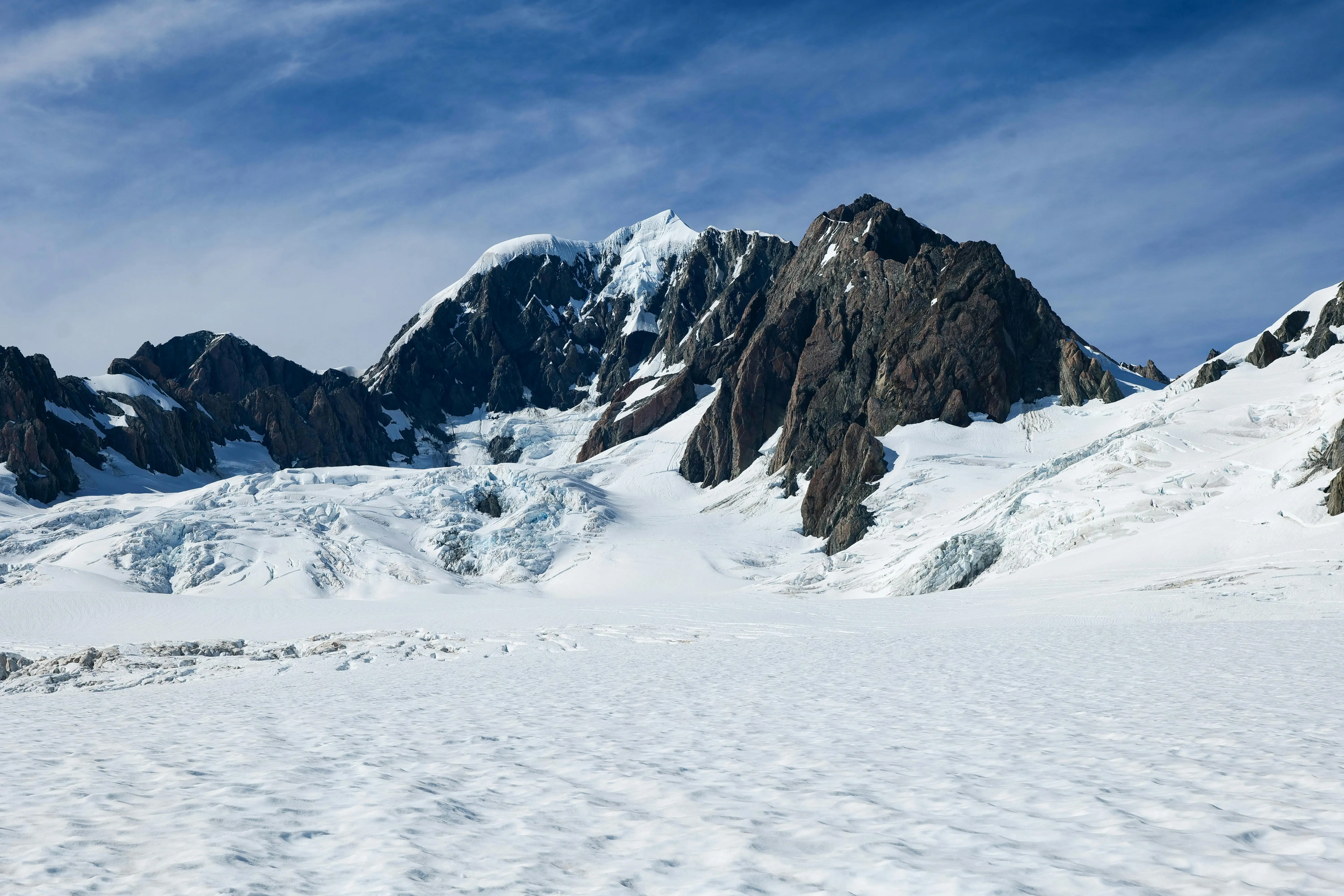
High in the Canadian Rockies, the Columbia Icefield offers an adventure defined by exposure, precision, and respect for alpine environments. Icefield travel involves moving across glaciers using crampons, ropes, and technical knowledge under the guidance of experienced professionals.
This is an environment shaped by altitude, weather, and constant movement beneath the surface. Crevasses, changing snow conditions, and visibility shifts require focused attention and disciplined teamwork.
Travelling on ice alters perception. Sound is muted, distances are deceptive, and every step is deliberate. Participants learn to read the terrain, trust equipment, and move in coordination with others. The experience encourages humility, as the scale and power of the landscape quickly become apparent.
Icefield travel appeals to those seeking a structured yet demanding adventure that combines technical learning with direct engagement in one of Canada’s most extreme environments.
4. Coastal Expedition Paddling in Haida Gwaii
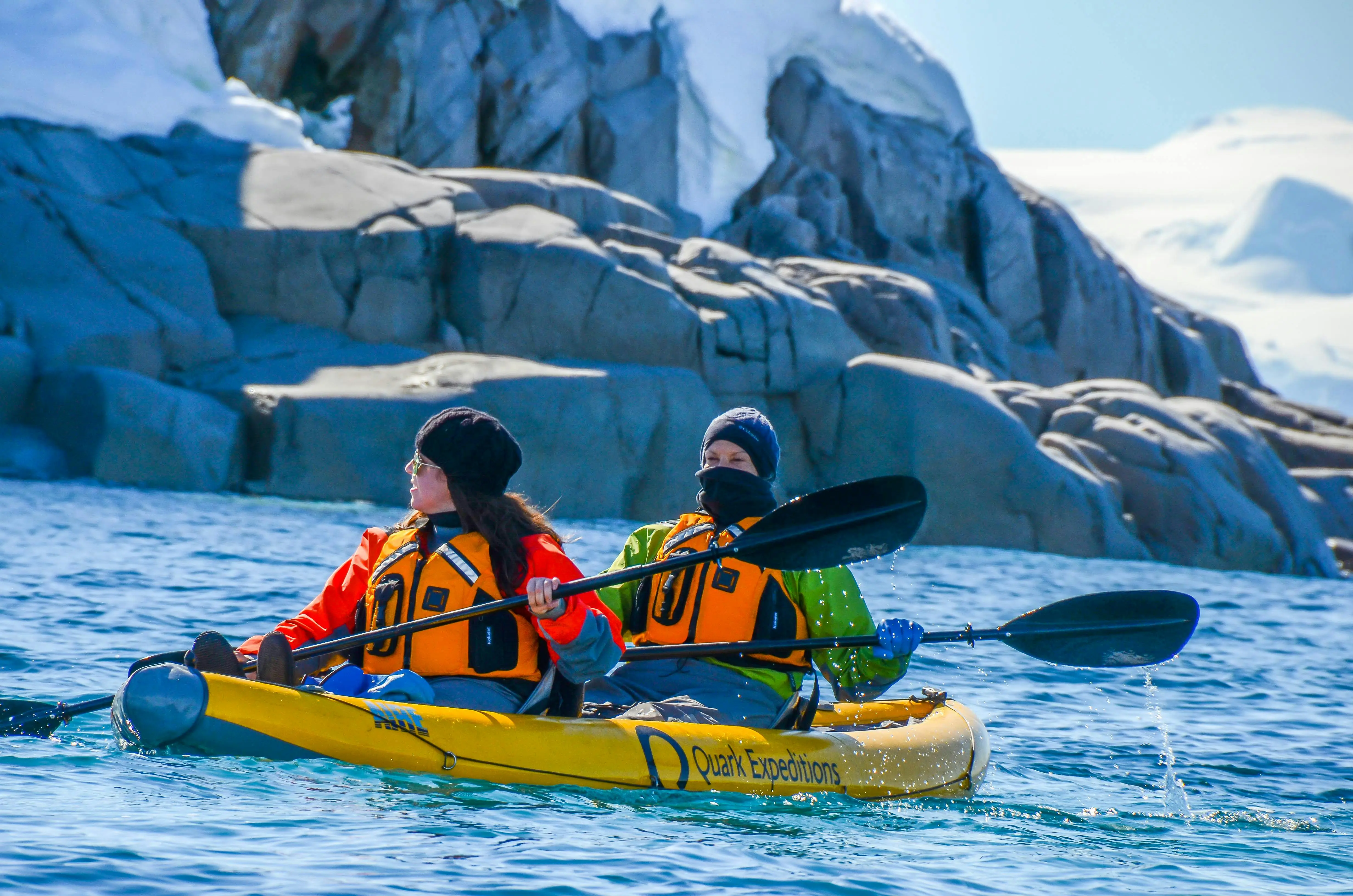
Off the northern coast of British Columbia, Haida Gwaii offers a coastal adventure shaped by weather, tides, and cultural respect. Expedition paddling here takes place along exposed shorelines, remote beaches, and ancient forested islands.
Sea conditions can change quickly, requiring careful planning and flexible decision-making. Paddlers must work with tides and wind patterns while managing long distances between landing points.
The cultural landscape is as crucial as the physical one. Haida Gwaii is deeply connected to Haida Nation history and stewardship, and respectful travel is essential. Many routes pass near culturally significant sites, reinforcing the need for awareness and responsibility.
Wildlife encounters are frequent and powerful, including seabirds, marine mammals, and coastal ecosystems that remain largely intact. Campsites are remote, and days are shaped by the movement of water rather than fixed schedules.
This adventure suits experienced paddlers who value environmental awareness, cultural sensitivity, and journeys guided by natural timing.
Conclusion:
These adventures reveal a side of Canada defined by commitment, attentiveness, and immersion. Whether trekking through northern mountain ranges, travelling ancient canoe routes, crossing active icefields, or navigating exposed coastal waters, each experience asks travellers to engage fully with their environment. They demand preparation, respect, and adaptability. In return, they offer depth, perspective, and a lasting connection to place. For those seeking challenge, these adventures provide a powerful way to experience Canada beyond the obvious.