
Destination Details
UK’s Most Overlooked Destinations Worth Travelling For
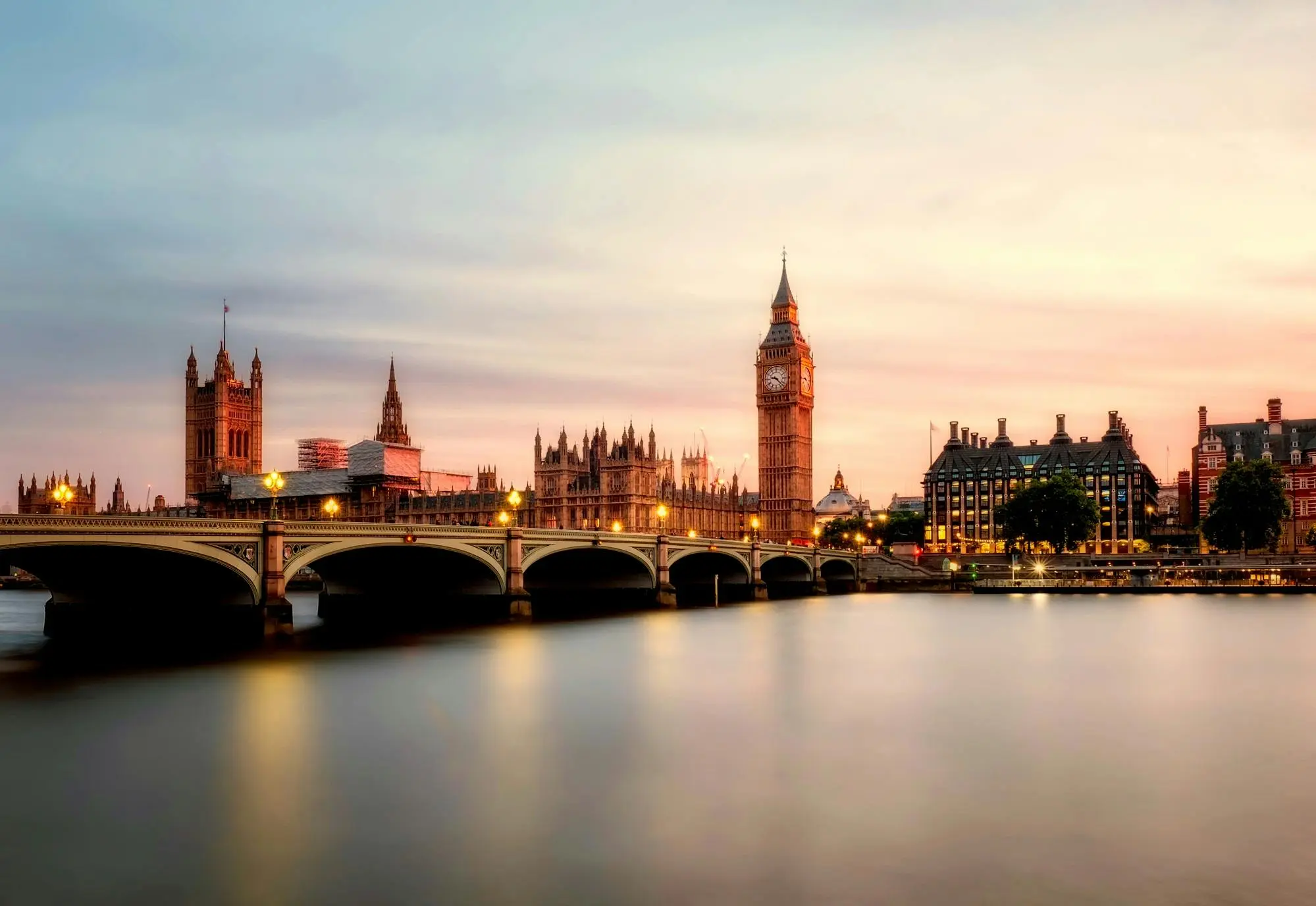
The UK offers far more than headline attractions and postcard cities. Away from the busiest routes, there are landscapes shaped by history, food cultures rooted in place, and communities that still feel genuinely local. For travellers looking for depth rather than crowds, these destinations offer something different. They reward curiosity, slower movement, and genuine engagement with place. Below are the UK’s most compelling yet frequently overlooked destinations, each offering a distinctive experience.
1. The North Pennines
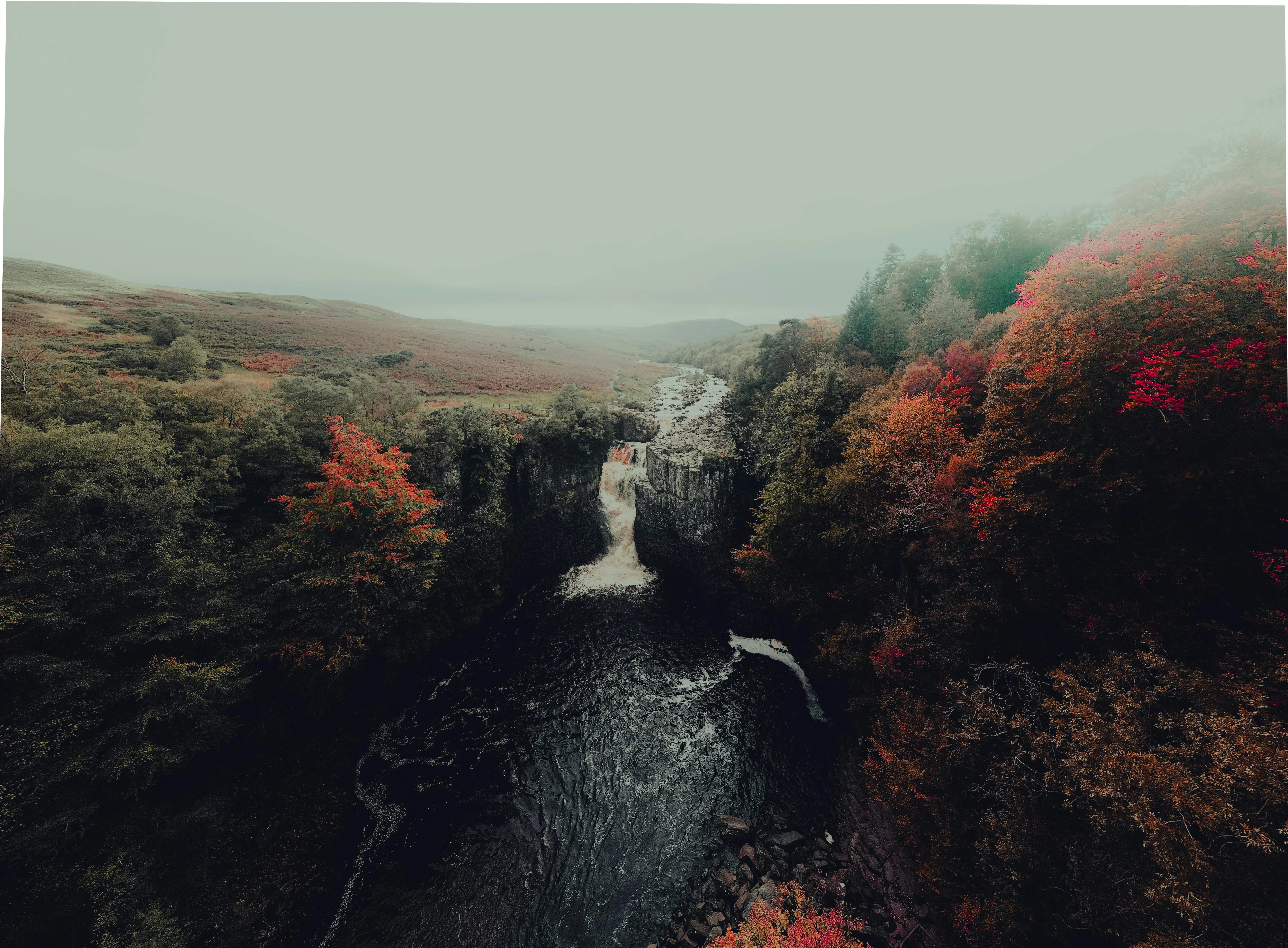
The North Pennines cover parts of County Durham, Cumbria, and Northumberland. Despite being England’s first UNESCO Global Geopark, the area remains largely absent from most travel itineraries. This is one of England’s wildest landscapes. High moorland stretches for miles, broken by deep valleys, fast-flowing rivers, and striking waterfalls. Walking here feels expansive and unhurried, with routes that often pass for long distances without another person in sight. The region’s history is closely tied to mining and hill farming, and that legacy still shapes daily life. Small towns such as Alston and Middleton-in-Teesdale act as social hubs, offering local shops, cafes, and traditional pubs that serve food sourced from the surrounding countryside. The North Pennines are also known for their dark skies. With little light pollution, clear nights offer some of the region’s best stargazing. This adds another layer to the visitor experience, especially for those staying overnight in rural accommodation. For travellers who value solitude, open landscapes, and a strong sense of place, the North Pennines offer an experience that feels increasingly rare in England.
2. Forest of Bowland
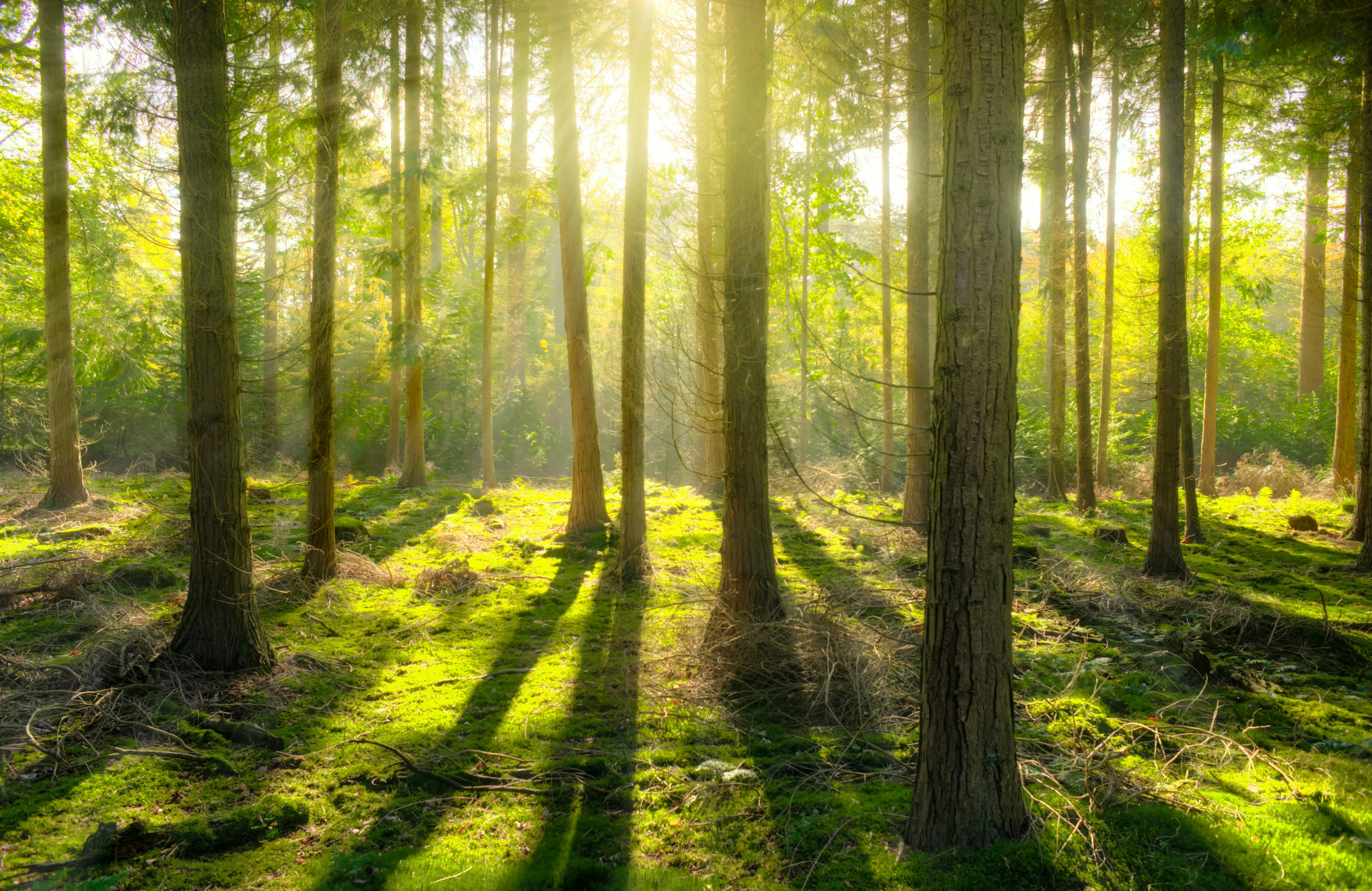
The Forest of Bowland sits quietly in Lancashire, positioned between the Lake District and the Yorkshire Dales. Despite its location, it receives far fewer visitors than either neighbour. Rather than dense woodland, Bowland is defined by open fells, river valleys, and rolling hills. It is a working landscape shaped by farming, with stone villages and narrow lanes that feel largely unchanged by modern tourism. Walking is one of the best ways to explore the area. Routes range from gentle riverside paths to longer hill walks with wide views across the fells. The Trough of Bowland is particularly popular for its scenery, offering a drive or cycle route through the heart of the region. Local food is an important part of the experience. Many pubs and inns focus on traditional cooking using ingredients from nearby farms. Meals are generous, seasonal, and designed to be enjoyed slowly rather than styled for presentation. The Forest of Bowland suits travellers who enjoy understated countryside, quiet accommodation, and destinations where local life remains at the centre of the experience.
3. Fife Coastal Path
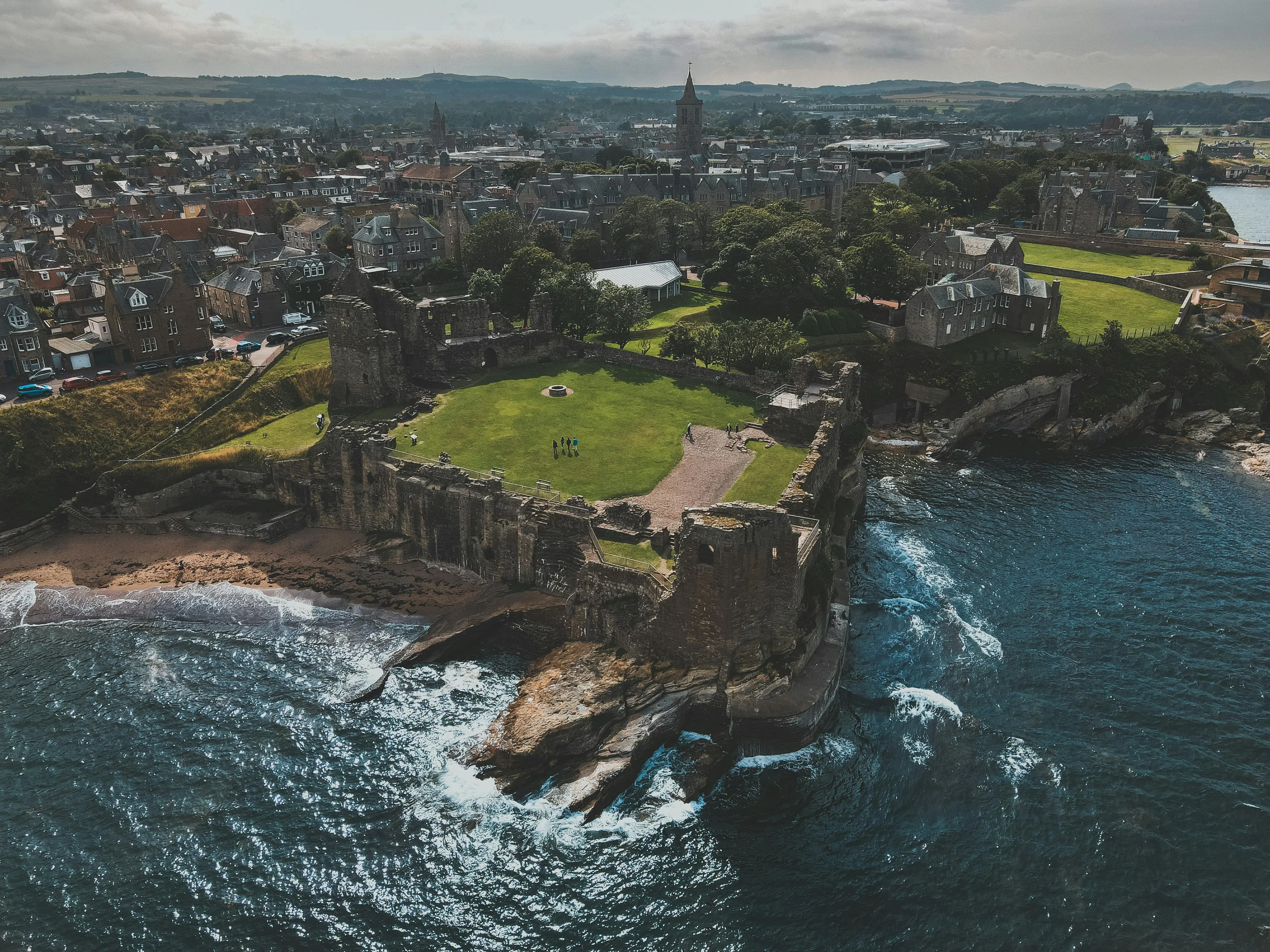
Scotland’s east coast often receives less attention than the Highlands or islands, yet the Fife coastline offers a rewarding alternative. The Fife Coastal Path runs for approximately 117 miles, linking a series of towns, beaches, cliffs, and fishing villages. Many visitors choose to explore the path in sections rather than as a single journey. This makes it easy to combine walking with local food, historic sites, and time spent by the sea. Villages such as Anstruther, Crail, and Elie are highlights, each with its own harbour, local shops, and strong community identity. The East Neuk of Fife feels lived in rather than preserved. Fishing boats still operate from the harbours, and everyday life continues alongside tourism. This balance creates a sense of authenticity that is increasingly hard to find. Seeing wildlife is a key part of the experience. Seabirds are common along the cliffs, and seals can often be seen resting on rocks or swimming close to shore. The walking routes are generally accessible, making the area suitable for a wide range of travellers. Fife appeals to those who enjoy coastal scenery, local culture, and exploration that does not require long distances or demanding terrain.
4. Elan Valley
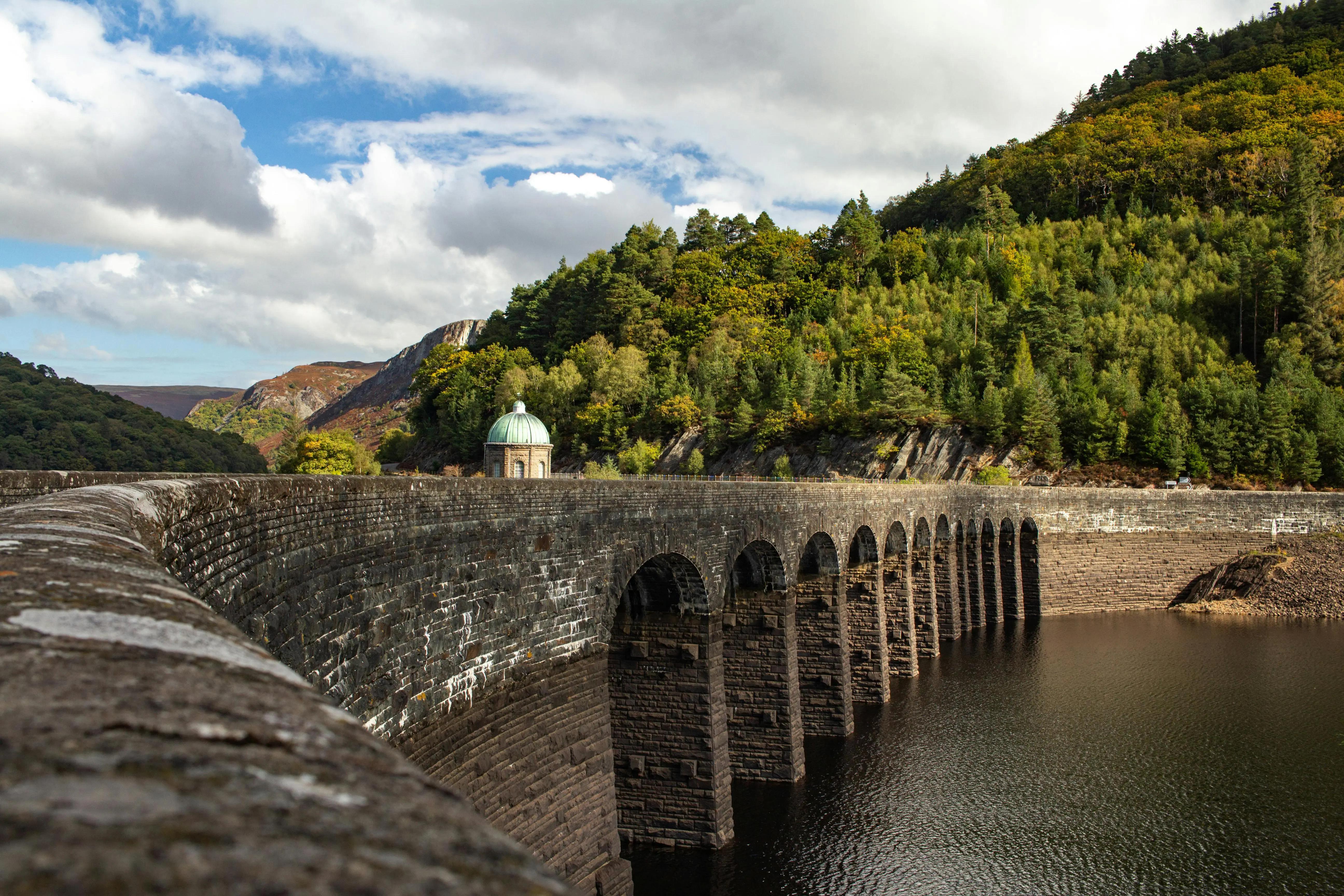
Located in mid Wales, the Elan Valley is a vast estate of reservoirs, dams, and open hills. Originally developed to supply water to Birmingham, it has become one of the most tranquil landscapes in the country. The valley is defined by long stretches of water framed by rolling hills and carefully engineered stone dams. While the structures themselves are impressive, the overall atmosphere is calm and spacious rather than dramatic. Cycling is especially popular due to quiet roads and gentle gradients. Walkers can choose from short lakeside routes or longer hikes that climb into the surrounding hills. Even during busier periods, the scale of the landscape ensures it rarely feels crowded. Wildlife thrives here, supported by limited development and protected land management. Red kites are a common sight, and the absence of heavy traffic enhances the sense of remoteness. The Elan Valley is well-suited to travellers seeking space, reflection, and a slower pace, particularly those looking to experience Wales beyond its more famous national parks.
Conclusion:
These destinations show a different side of the UK, one shaped by local life, working landscapes, and quieter forms of travel. For travellers willing to look beyond the obvious choices, the North Pennines, the Forest of Bowland, the Fife coast, and the Elan Valley provide depth, calm, and connection. They remind us that some of the most rewarding journeys occur in places that do not seek attention but earn it over time.