
Destination Details
Canada’s Most Overlooked Destinations Worth Travelling For
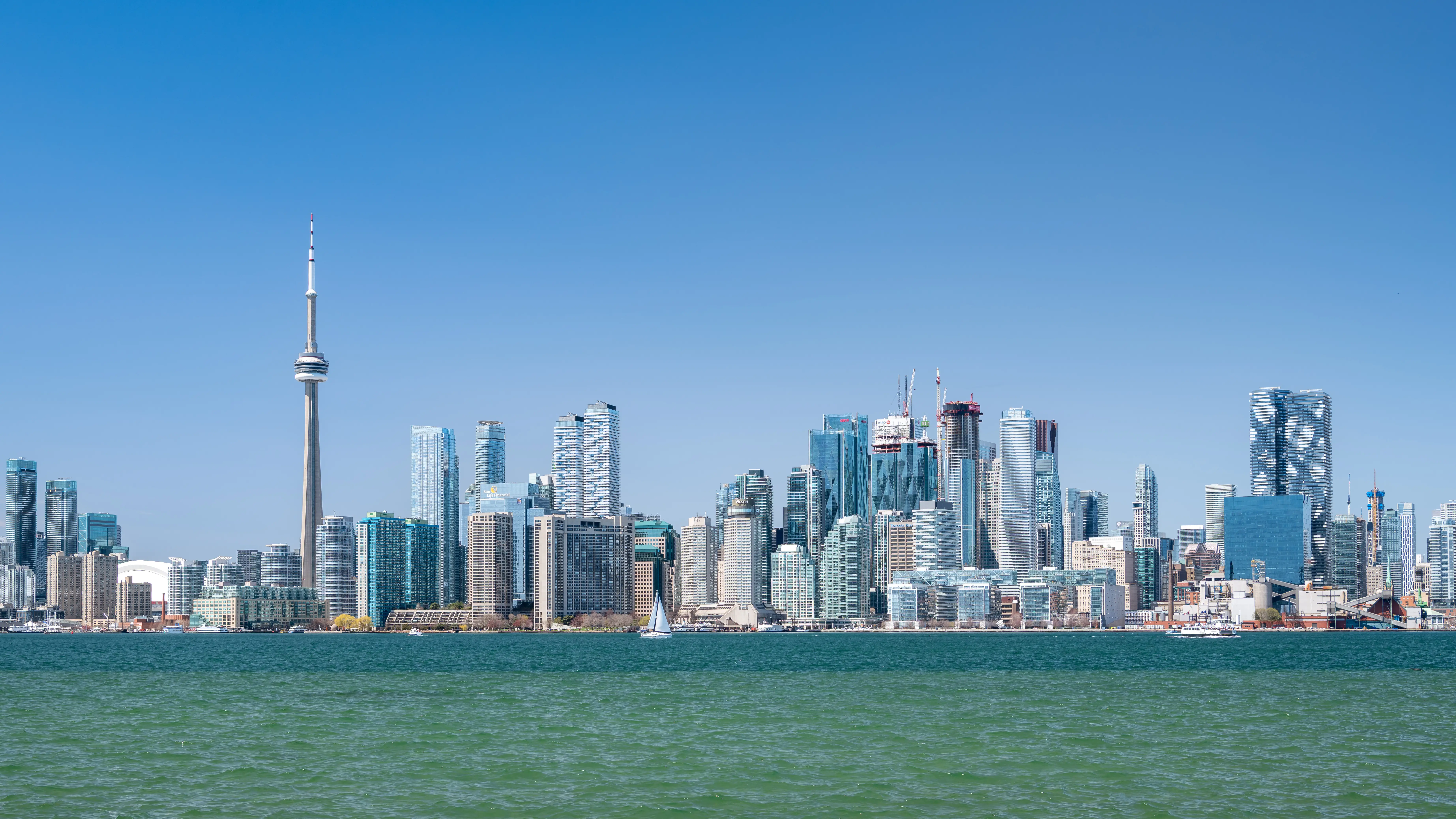
Canada’s real depth lies far beyond its most recognisable landscapes and cities. Across its vast geography are regions shaped by climate, distance, and long-established ways of life, where travel feels grounded and well-paced. These destinations appeal to travellers seeking context rather than spectacle. They offer space to slow down, engage with local culture, and experience landscapes that shape daily life rather than serve as backdrops. Below are the country’s most compelling yet frequently underexplored destinations, each offering a distinctive sense of place.
1. Gaspé Peninsula
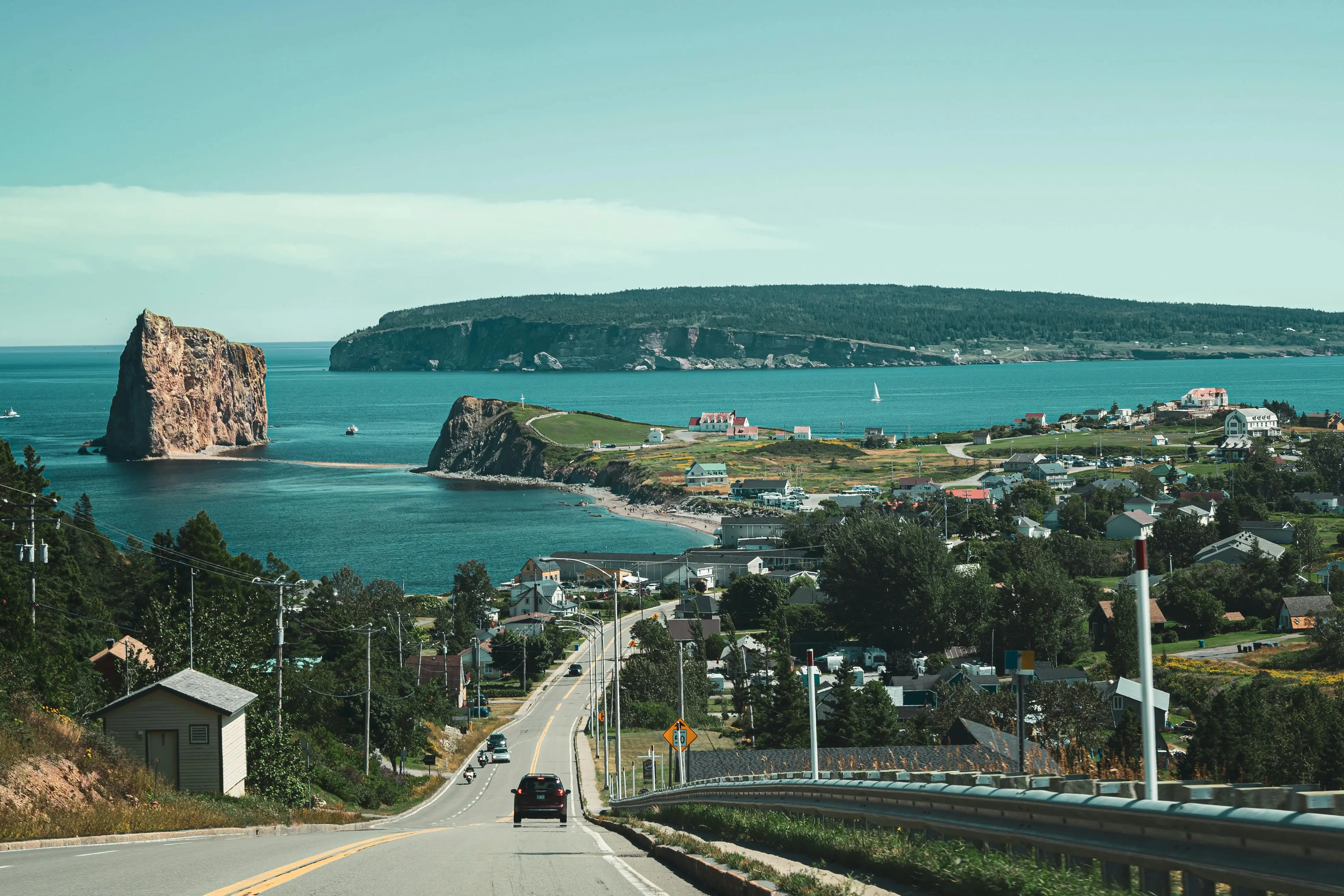
Located at the eastern edge of Quebec, the Gaspé Peninsula extends into the Gulf of Saint Lawrence, shaped by cliffs, forests, and long coastal roads. Despite its scale and beauty, it remains far less visited than other Canadian coastal regions. The landscape here is dramatic but balanced. Mountains meet the sea, fishing villages sit along rocky shores, and long stretches of road offer uninterrupted views of water and sky. The region is ideal for slow road trips, with frequent opportunities to stop, walk, and take in the surroundings. Gaspé has a strong cultural identity influenced by French, Acadian, and maritime traditions. This is reflected in local food, language, and daily life. Seafood plays a central role, particularly lobster, crab, and cod, often served simply and fresh. National parks such as Forillon offer coastal hiking routes where cliffs drop into the sea, and wildlife sightings are common. Yet even within protected areas, the scale of the landscape ensures a sense of openness and calm. The Gaspé Peninsula suits travellers who enjoy long distances, coastal scenery, and places where culture and landscape are closely linked.
2. Northern Saskatchewan
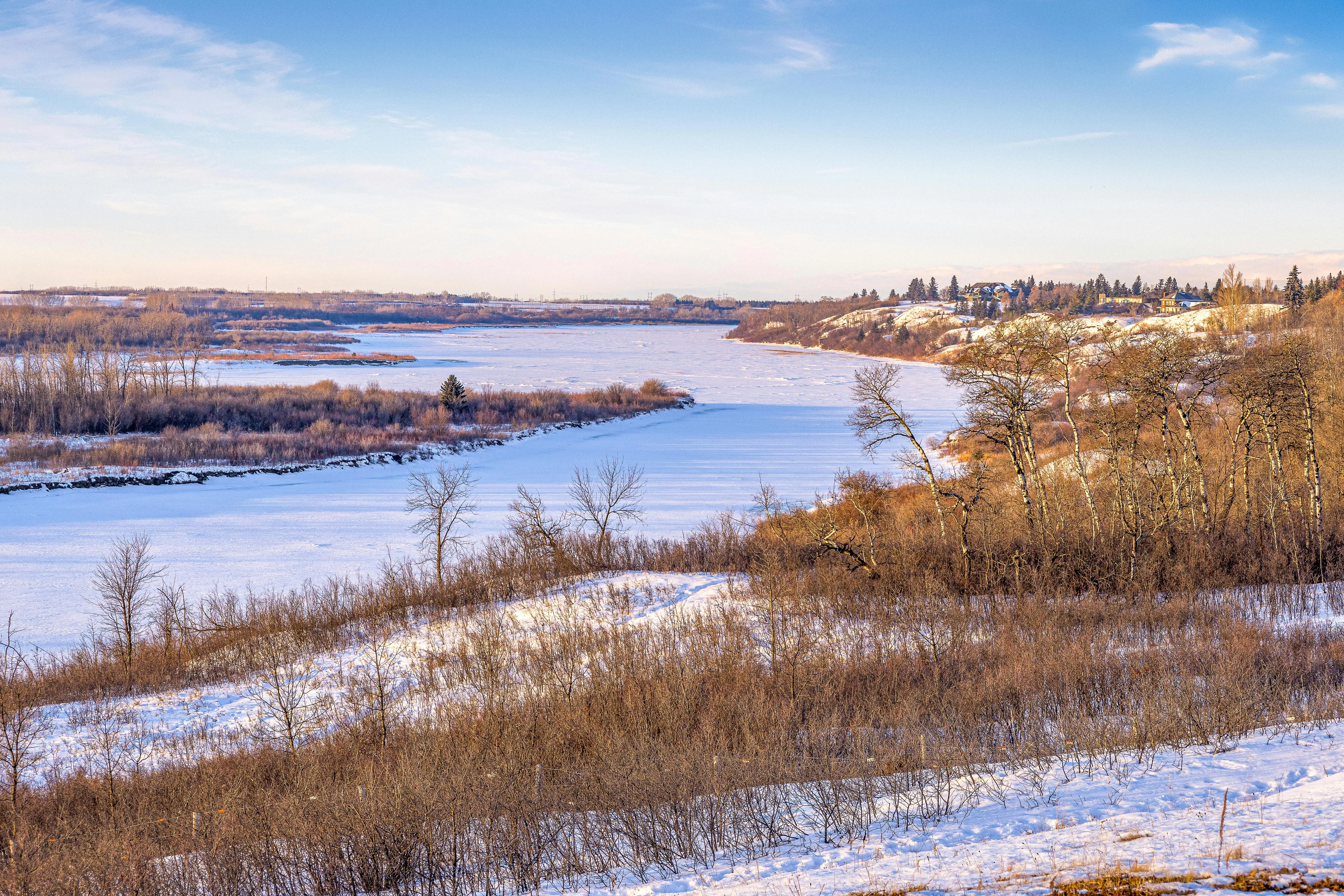
Northern Saskatchewan covers a vast area of lakes, boreal forest, and shield rock, yet it is rarely included in travel itineraries. This is a region defined by water and distance, with thousands of lakes connected by rivers and portage routes. Canoeing is one of the most natural ways to experience the area. Routes follow traditional travel corridors used by Indigenous communities for generations. Time on the water is quiet and deliberate, shaped by weather, wildlife, and the rhythm of paddling. Communities in the north are small and closely connected to the land. Many experiences are guided by local operators who share knowledge of fishing, trapping history, and seasonal changes. This creates a deeper understanding of place rather than a surface-level visit. Wildlife encounters are common, including moose, bald eagles, and black bears, particularly in more remote areas. Nights are often marked by clear skies and a strong sense of isolation. Northern Saskatchewan appeals to travellers who value self-sufficiency, outdoor travel, and landscapes that feel expansive rather than dramatic.
3. Cape Breton Highlands
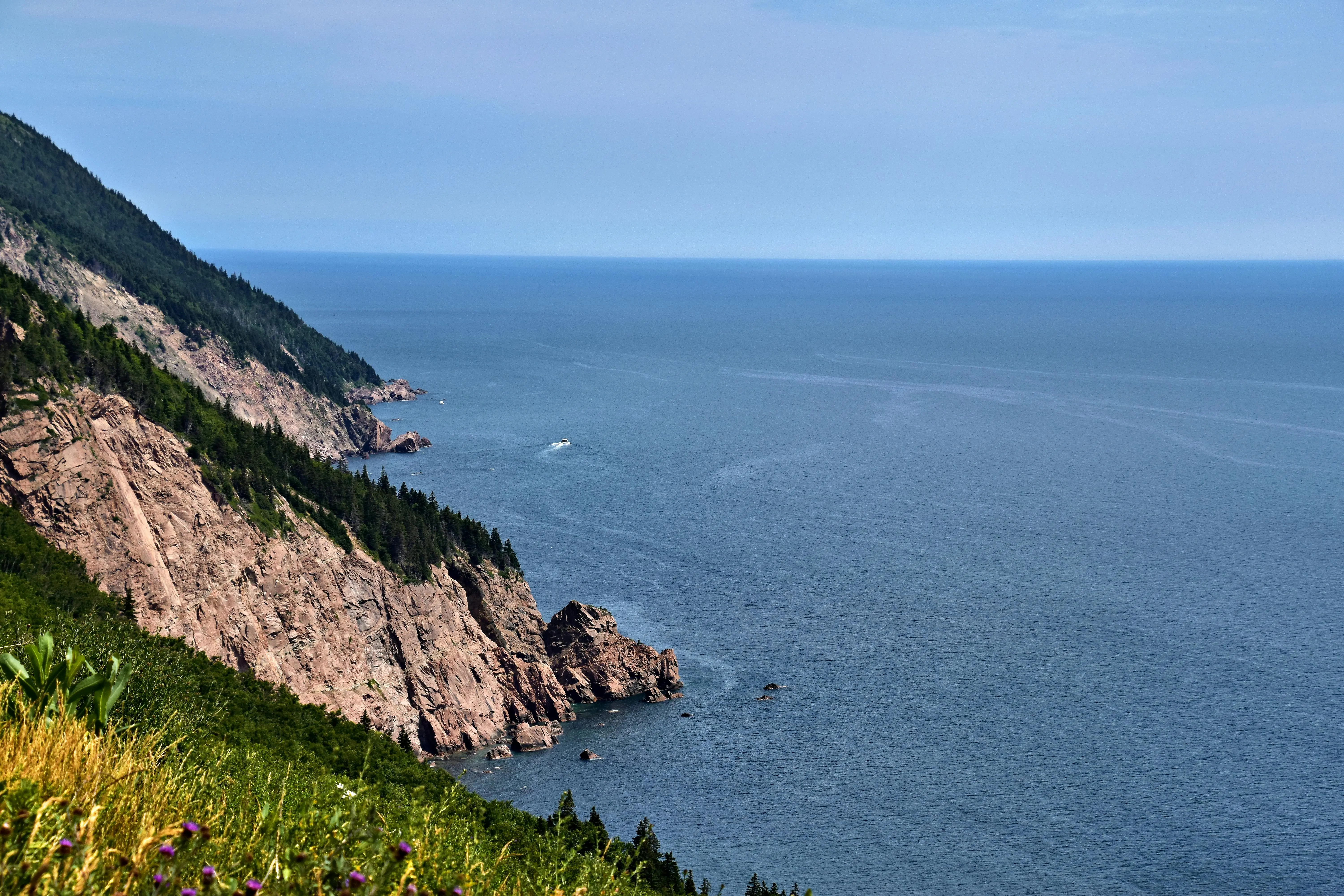
While Nova Scotia is well known for its coastline, the Cape Breton Highlands offer an experience that combines rugged landforms with a strong local identity. Located on the northern edge of Cape Breton Island, the region is defined by high plateaus, deep river valleys, and coastal cliffs. The landscape supports a wide range of activities, from hiking and cycling to scenic driving along high coastal roads. Trails pass through forest, along rivers, and across open headlands with views over the Atlantic. Cultural life is an essential part of the experience. Music, particularly fiddle and Gaelic-influenced traditions, remains an active part of community gatherings. Small towns and villages host informal performances that feel rooted in everyday life rather than staged events. Food reflects the region’s history and geography. Seafood features prominently, alongside dishes influenced by Scottish and Acadian traditions. Meals are often simple, generous, and shared in relaxed settings. The Cape Breton Highlands suit travellers who enjoy a blend of outdoor activity, coastal scenery, and living culture within a relatively compact region.
4. Yukon River
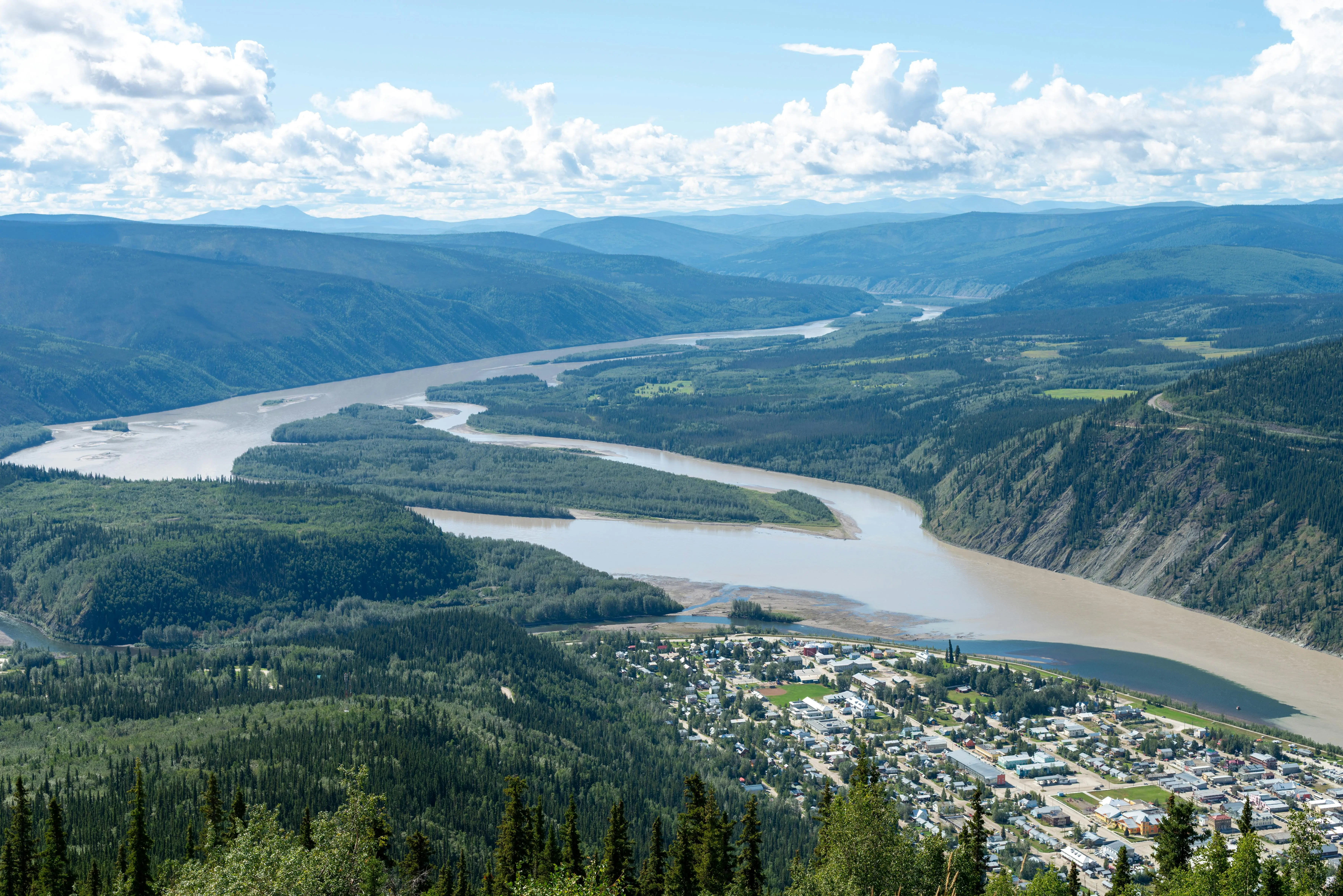
The Yukon River is one of Canada’s great waterways, stretching across the north through landscapes shaped by ice, time, and movement. Travelling along the river offers a way to experience the Yukon that feels continuous and grounded. Multi-day canoe or raft journeys follow a route that has been used for transport and trade for centuries. The river defines the pace of travel, with days shaped by current, weather, and stopping points along the shore. The surrounding landscape is open and expansive, with wide valleys, forested banks, and distant hills. Wildlife sightings are common, and the sense of space is constant. Communities along the river have deep connections to it, and guided trips often include historical and cultural context, particularly relating to Indigenous history and the Klondike era. The Yukon River experience suits travellers who are comfortable with long periods of quiet, physical effort, and journeys where progress is measured in days rather than destinations.
Conclusion:
These destinations reveal a side of Canada shaped by distance, local knowledge, and everyday connection to land. From coastal peninsulas and boreal lakes to highland communities and northern rivers, they offer experiences grounded in place rather than promotion. For travellers willing to look beyond the familiar, the Gaspé Peninsula, Northern Saskatchewan, the Cape Breton Highlands, and the Yukon River provide depth, calm, and perspective. They show that some of Canada’s most meaningful journeys happen in regions that do not compete for attention, but stay with you long after the journey ends.